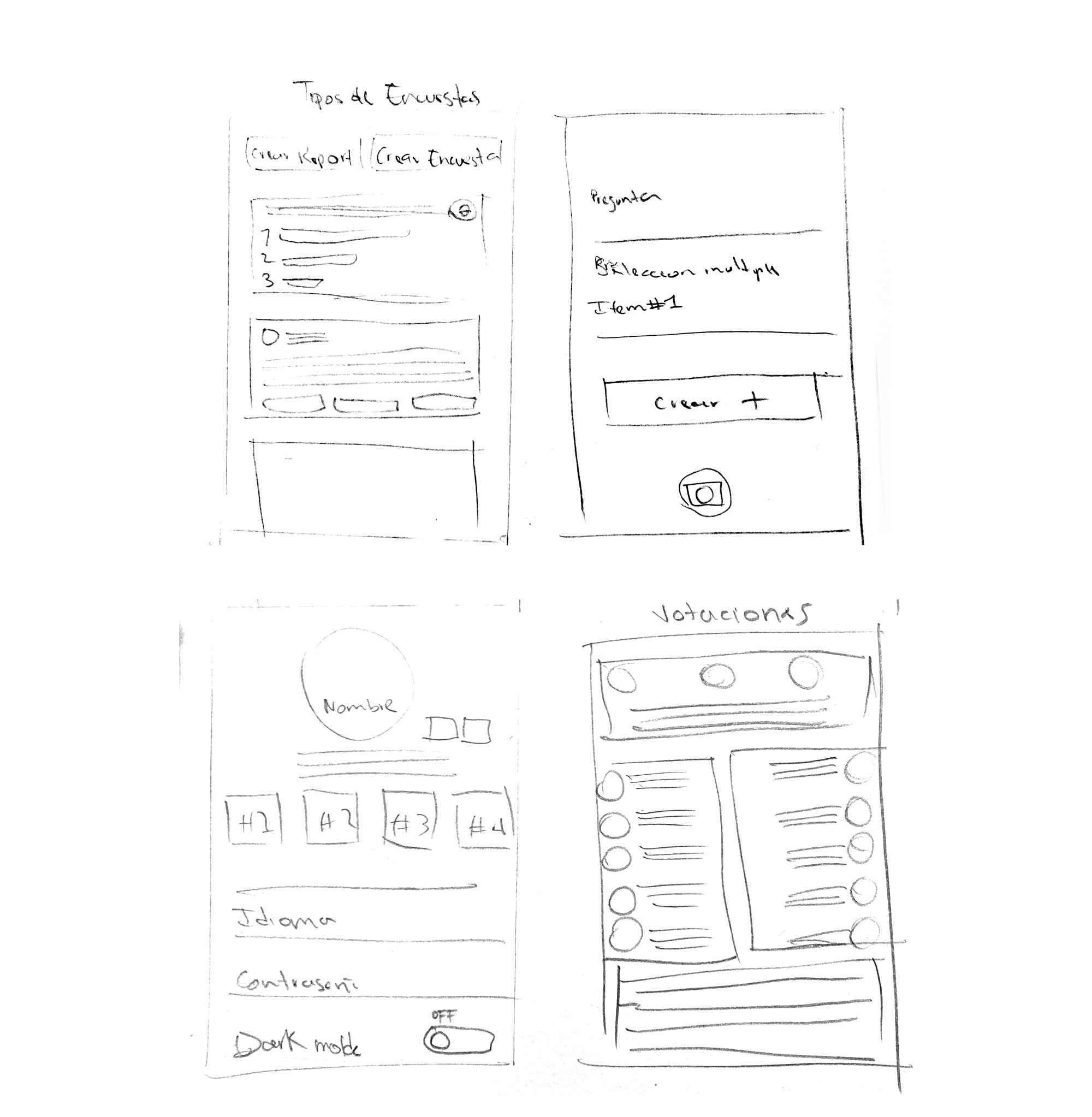
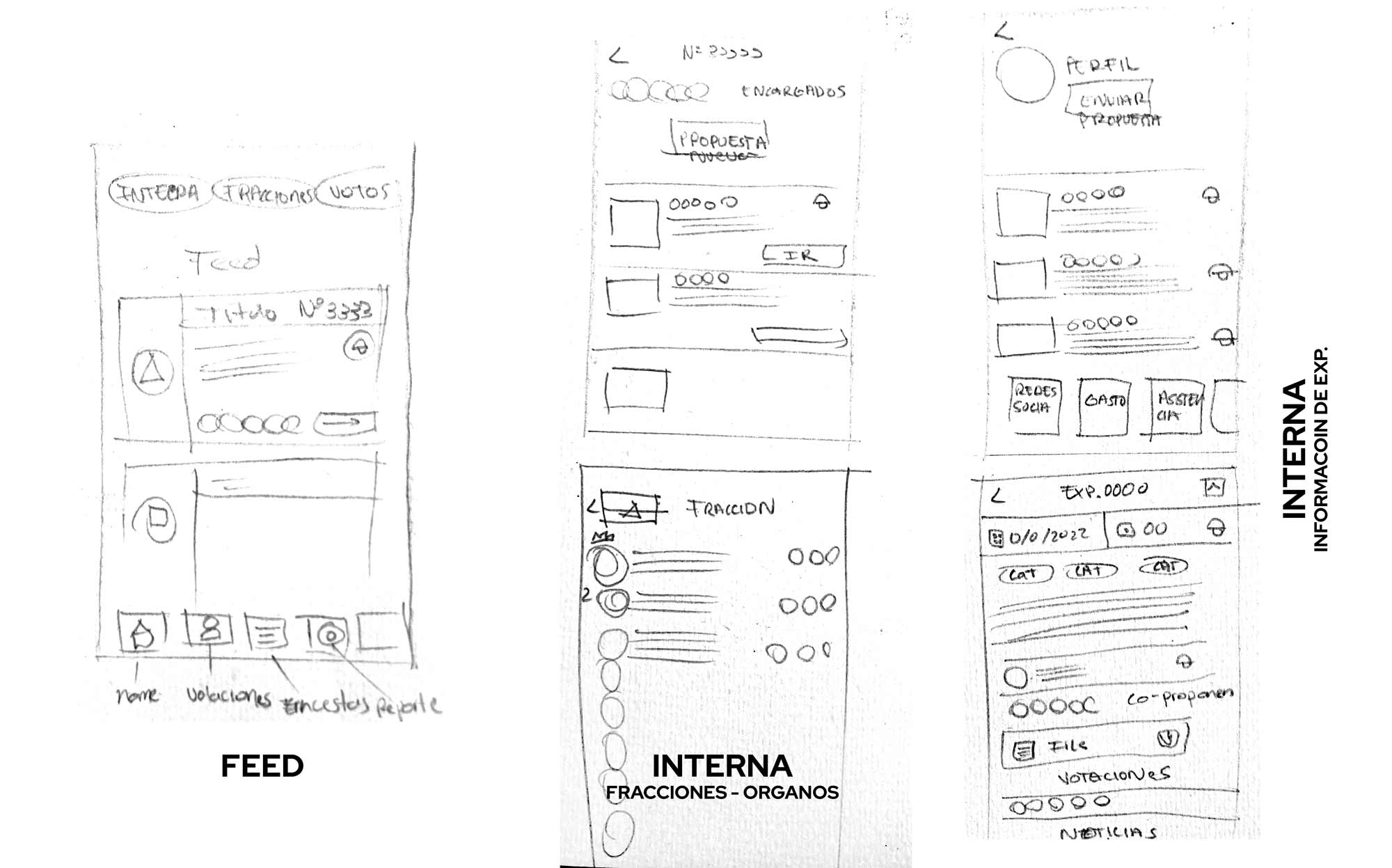
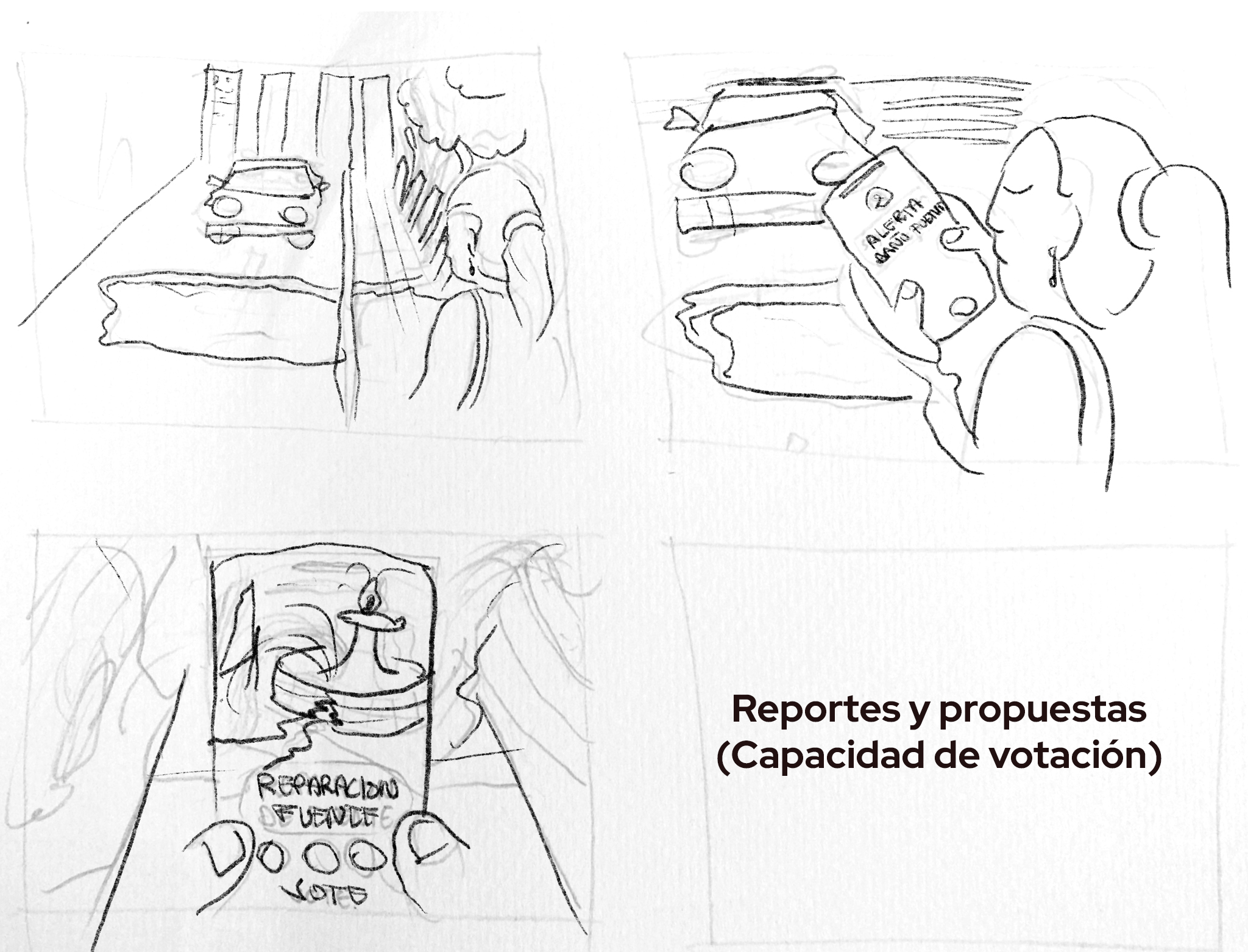
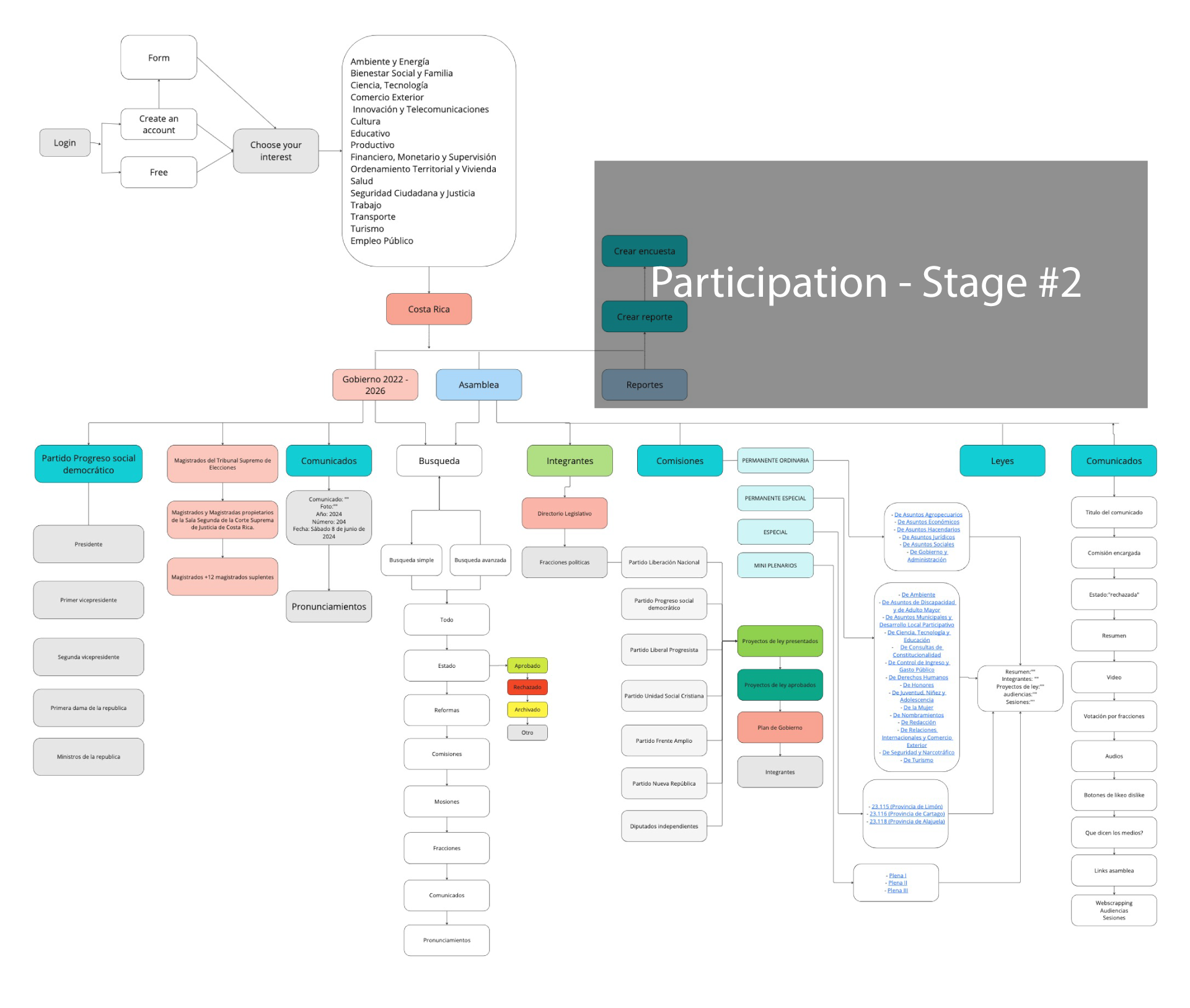
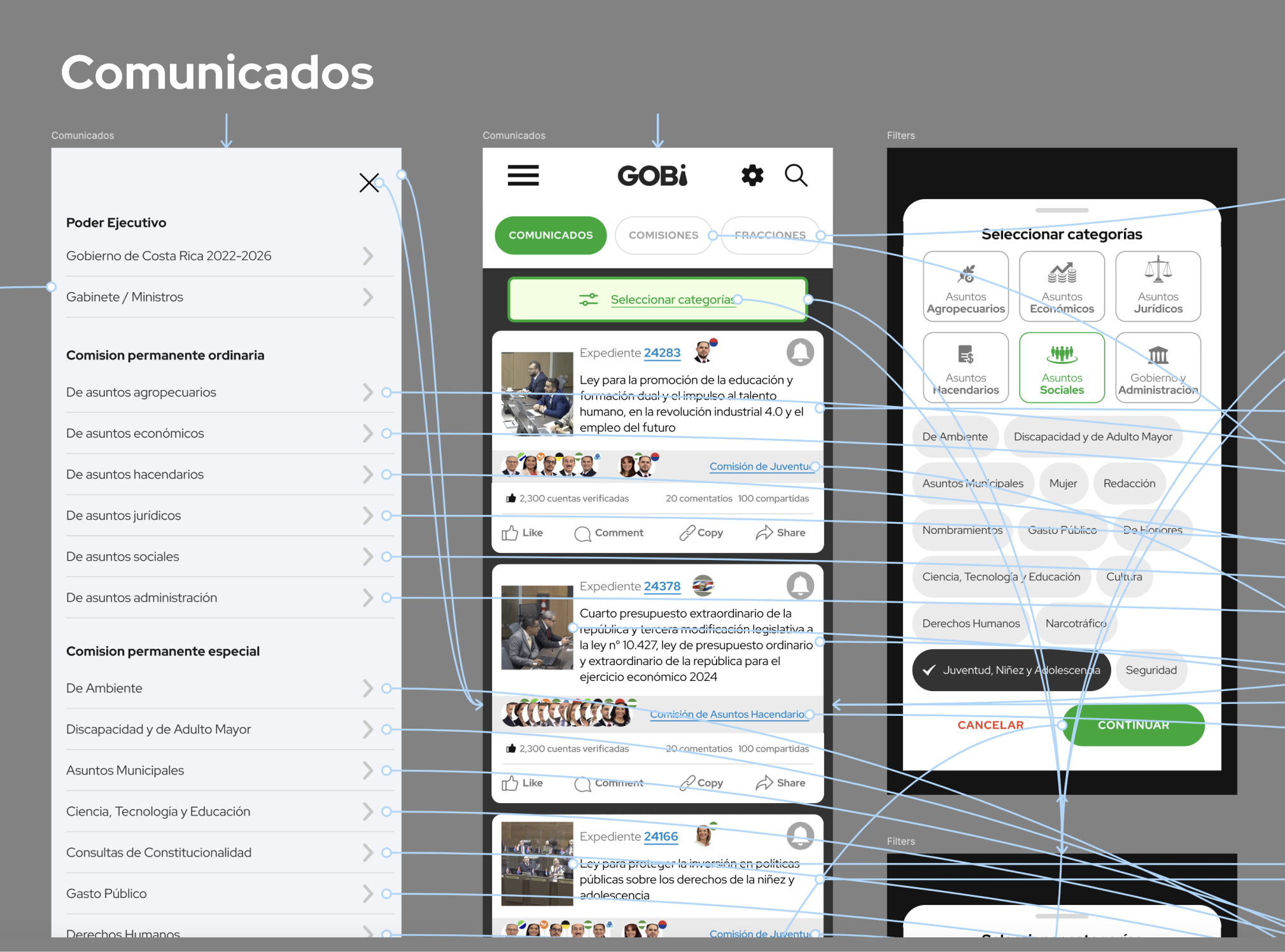
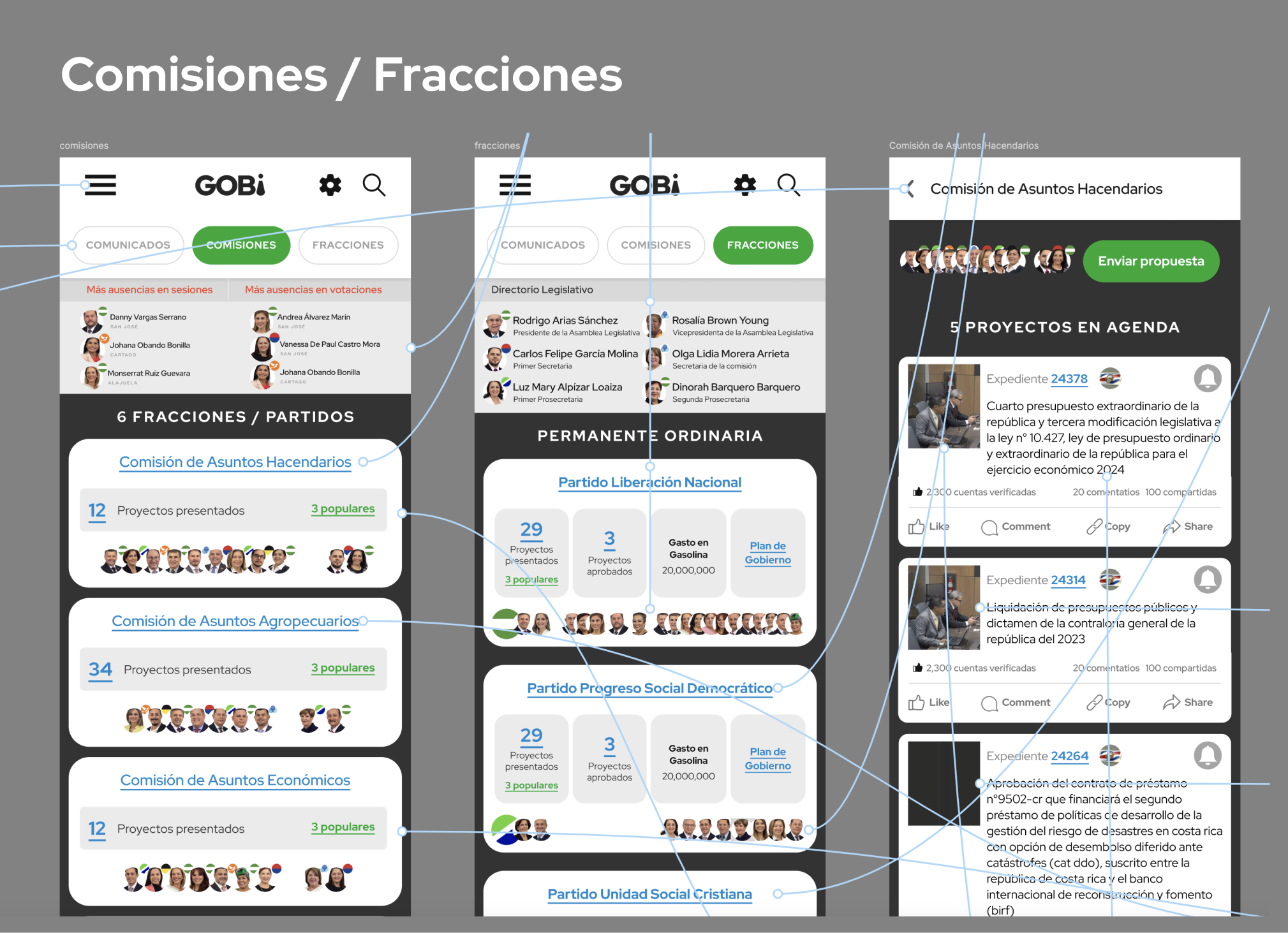
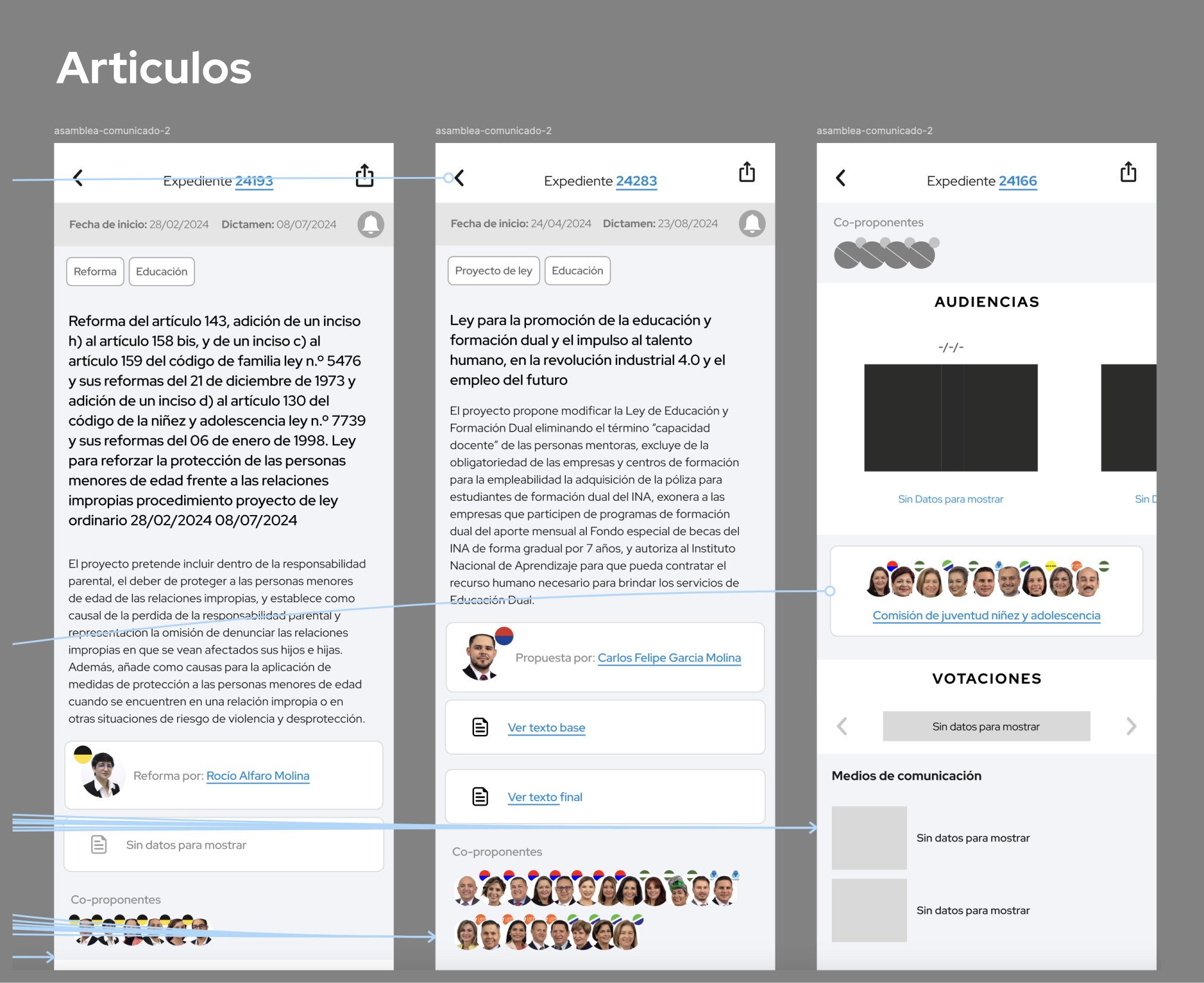
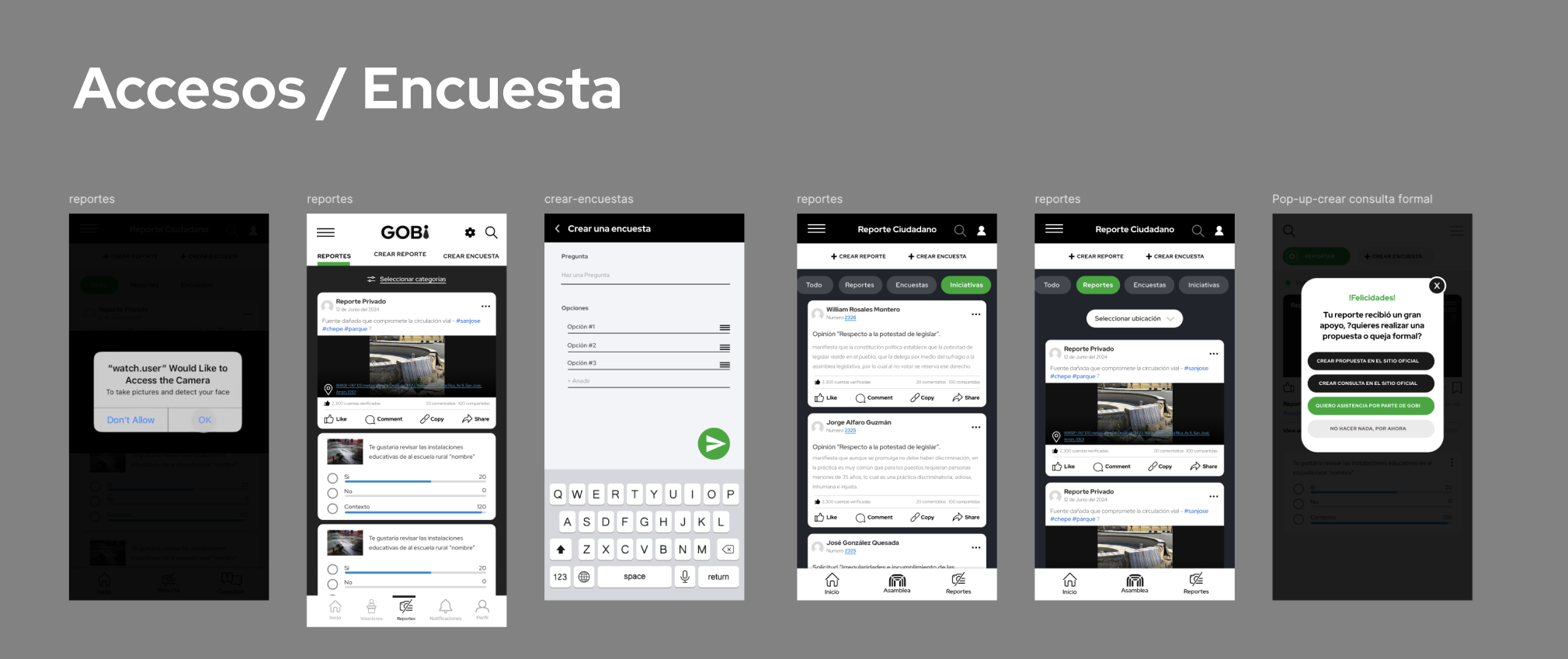
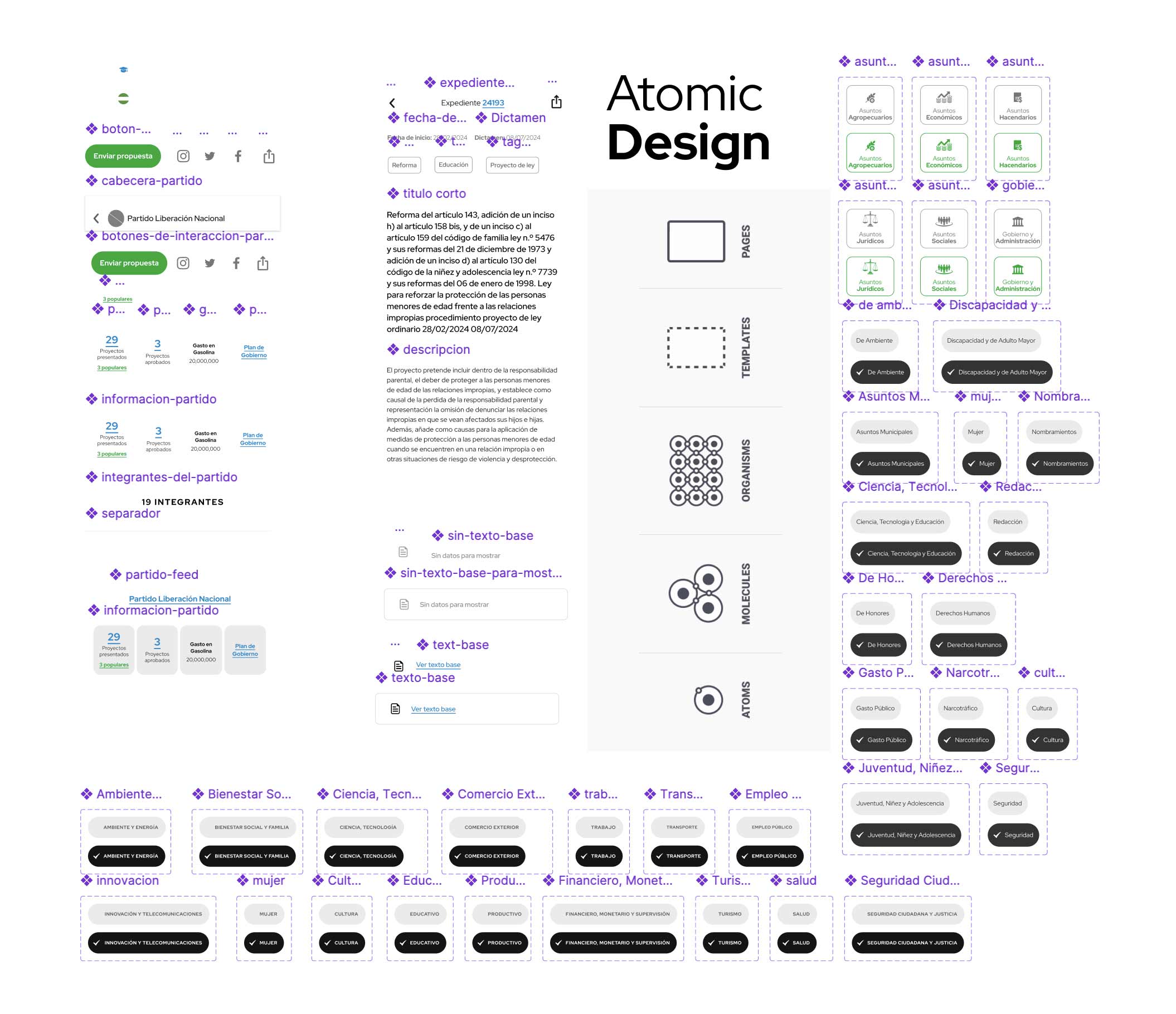
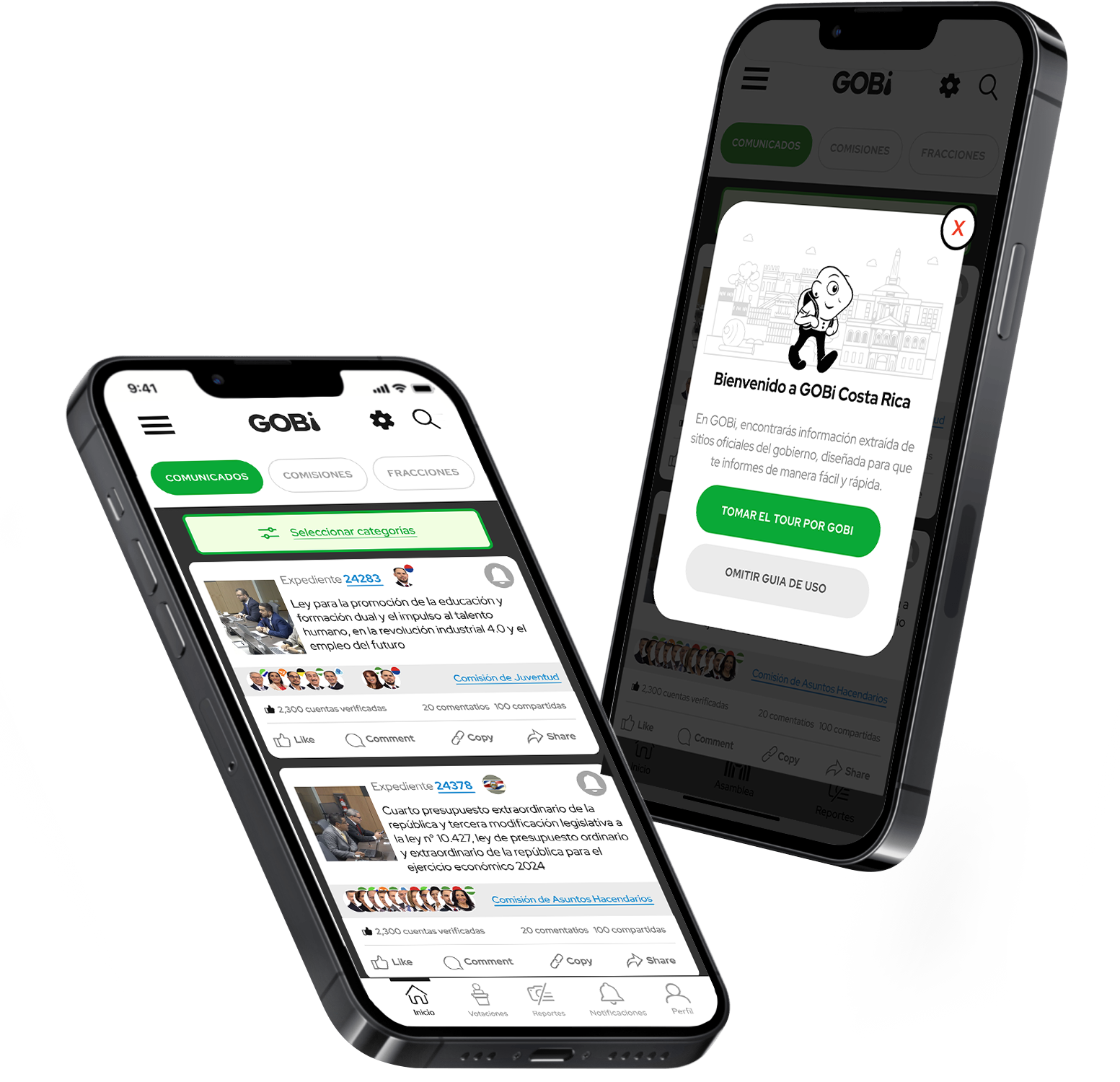
Upon receiving our prompt, we were cognizant of its complexities. Therefore, we deconstructed the prompt into tangible subproblems, which we tackled by establishing research goals.
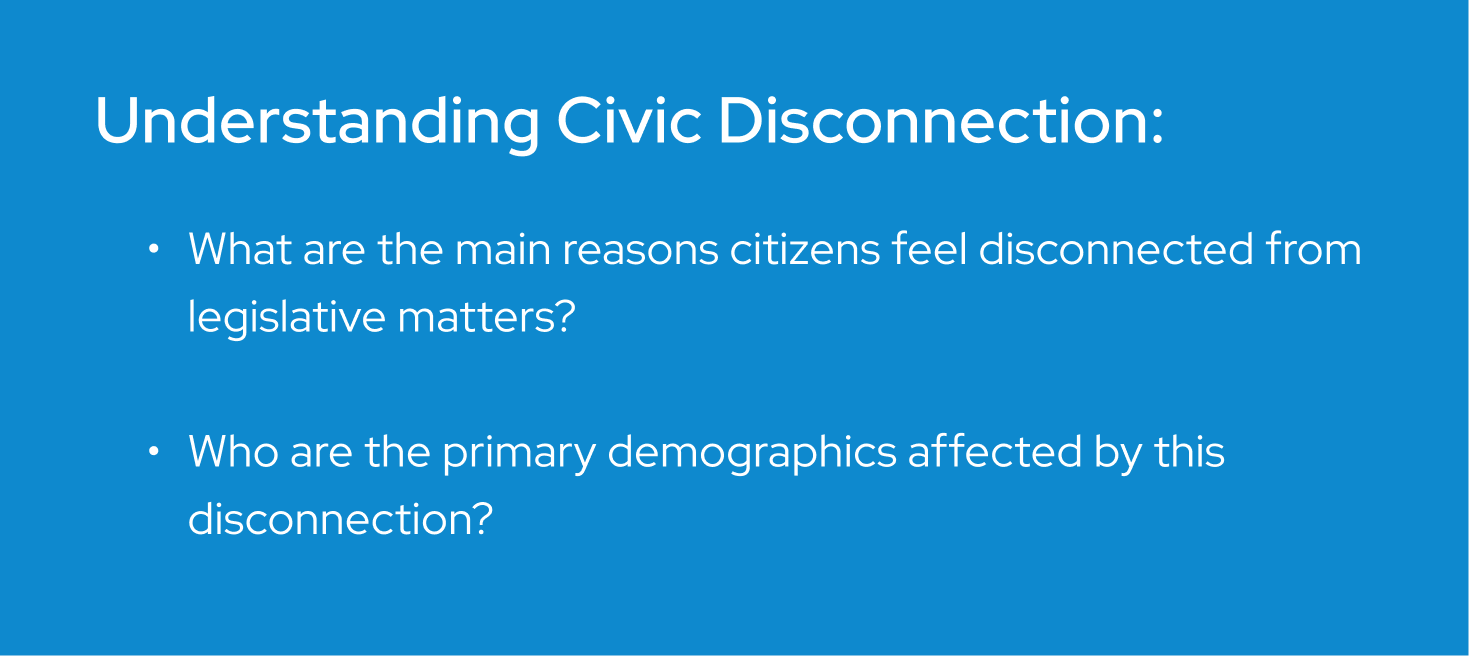
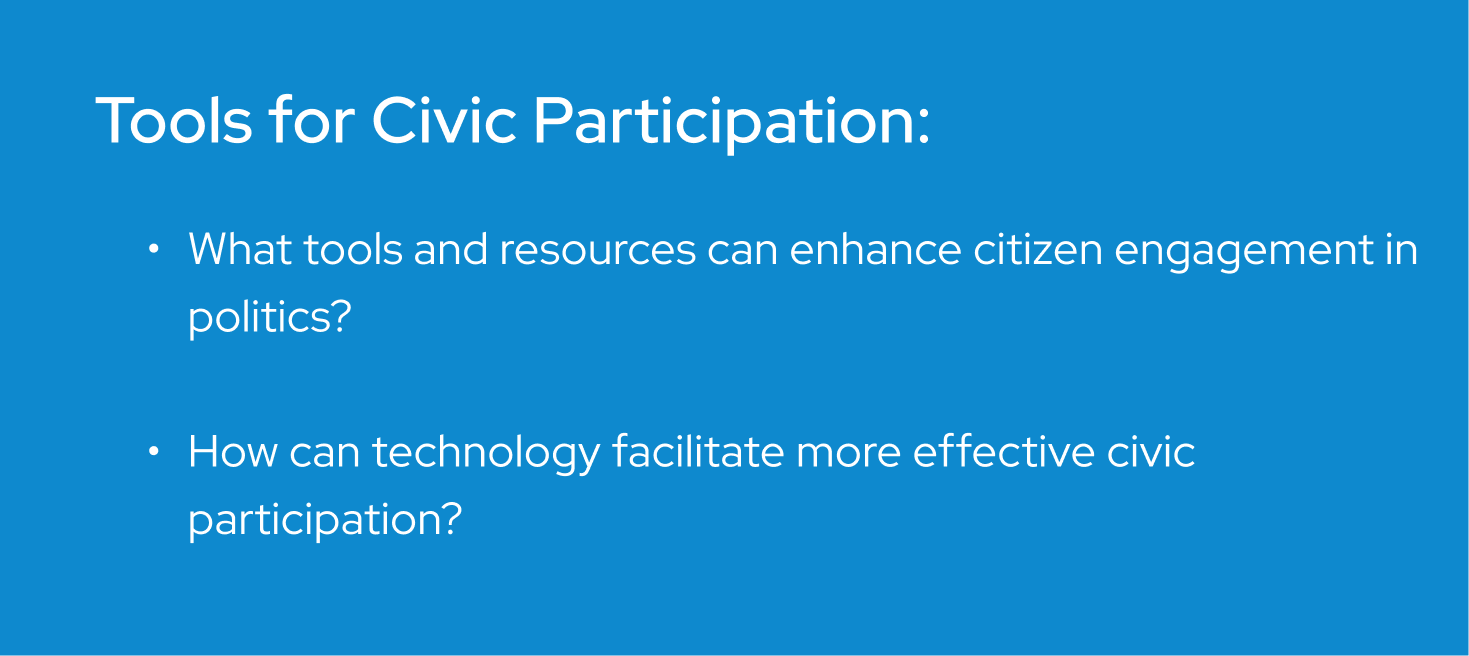
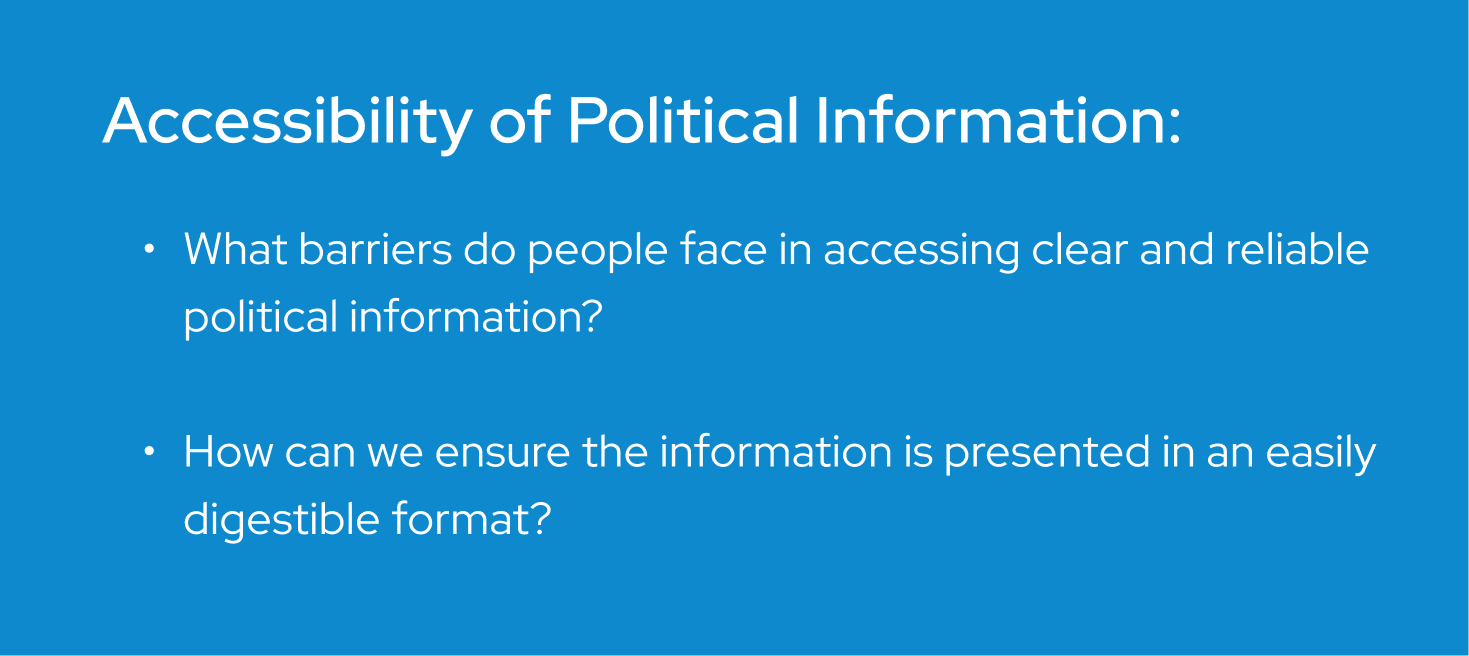
As the UX Research Lead, I guided the team through various research methodologies to collect data on each facet of the prompt in order to answer our research goals:
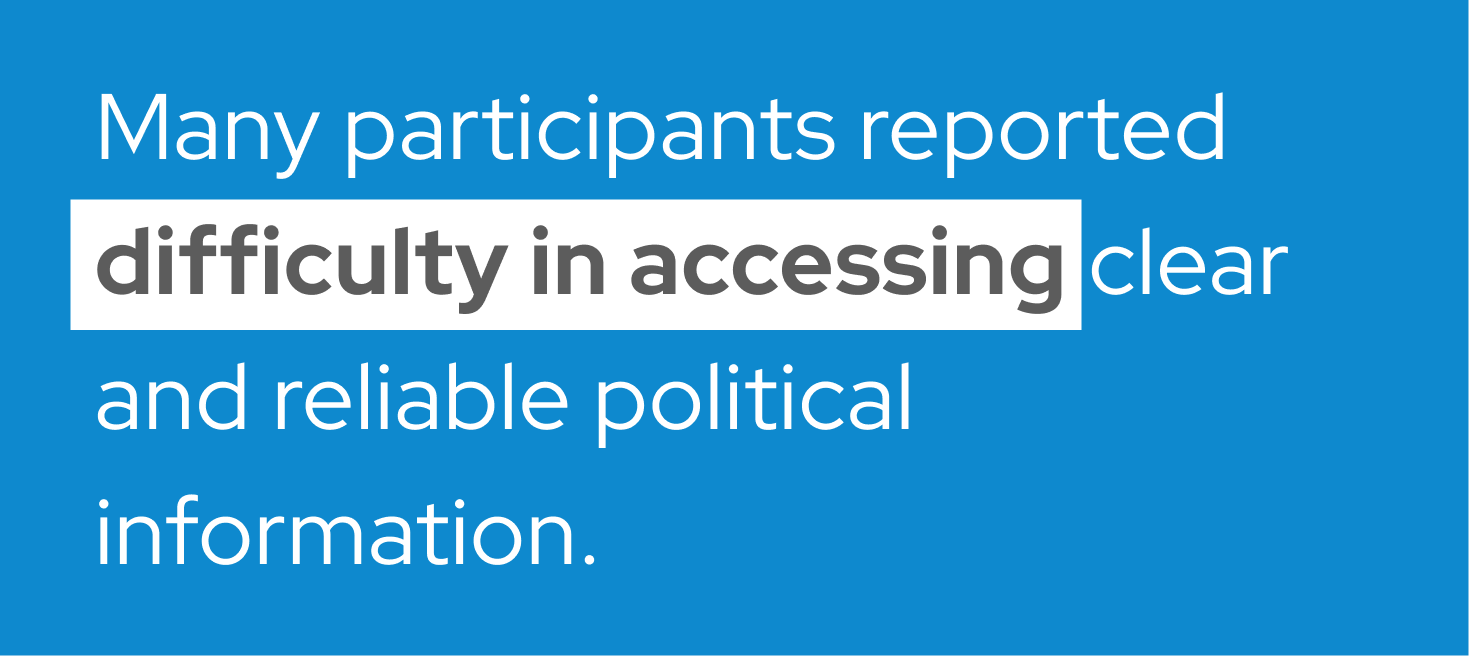
We sent out a preliminary survey to gain insight into how often our target users feel disconnected from legislative matters and what types of situations perpetuate this feeling.
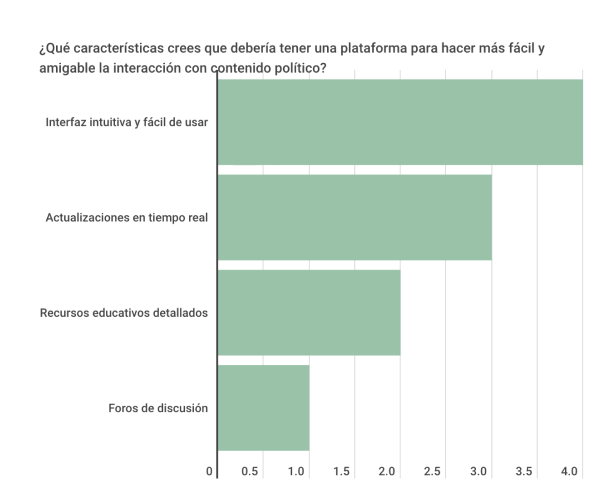
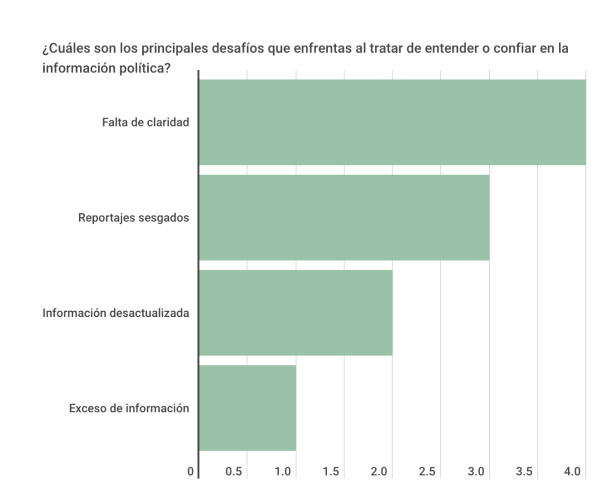
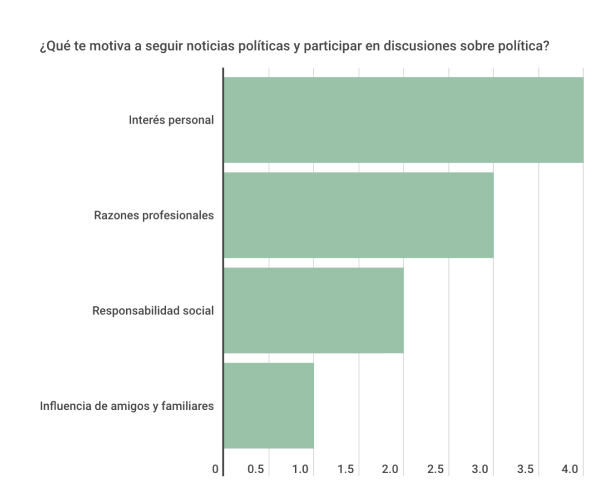
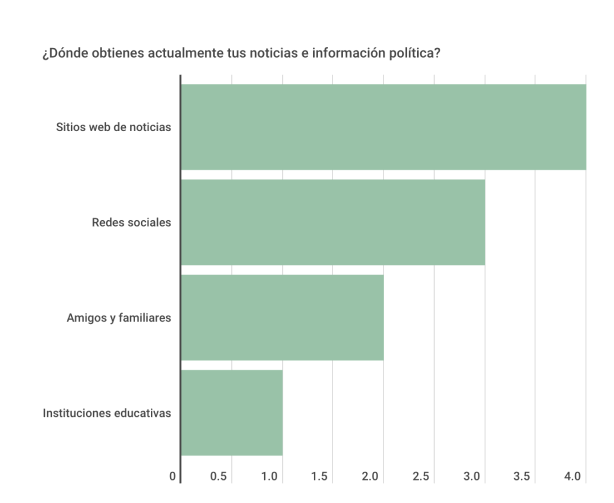
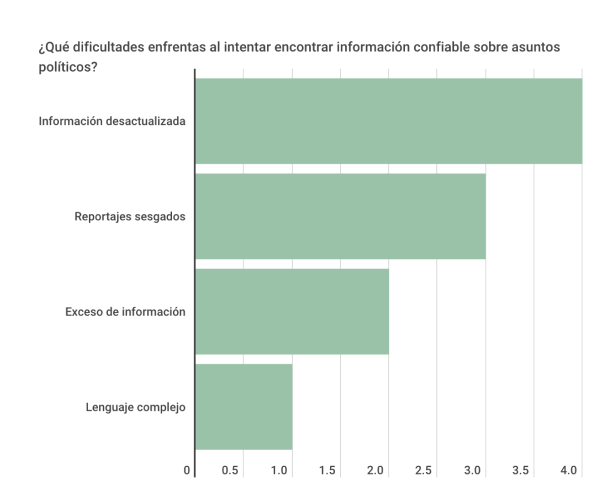
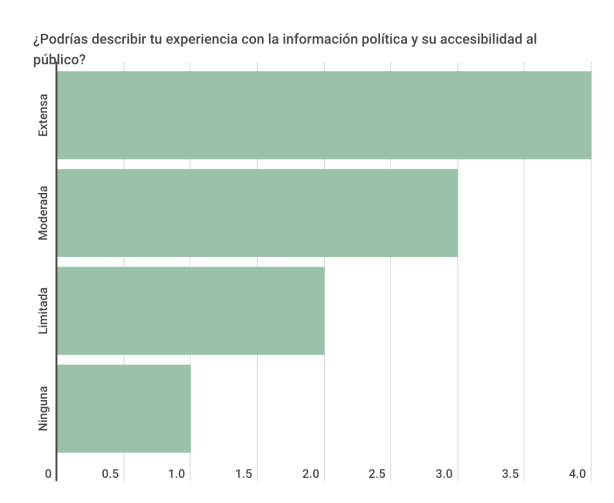
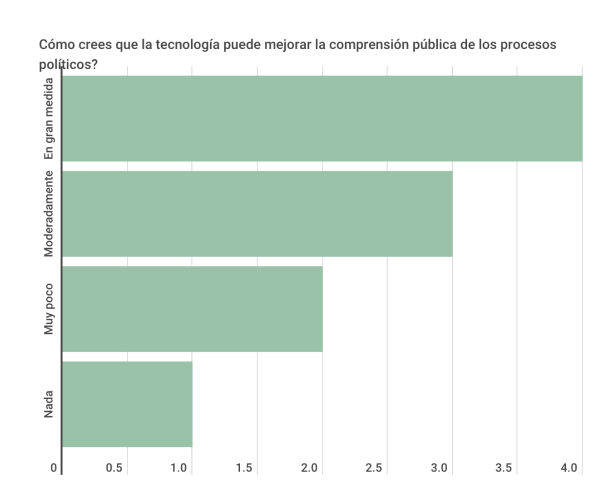
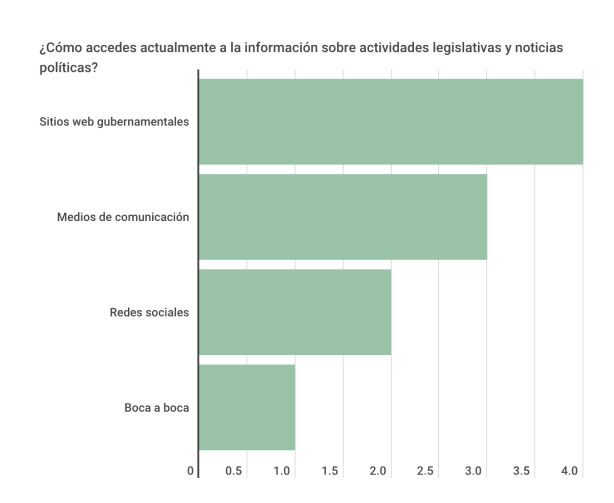
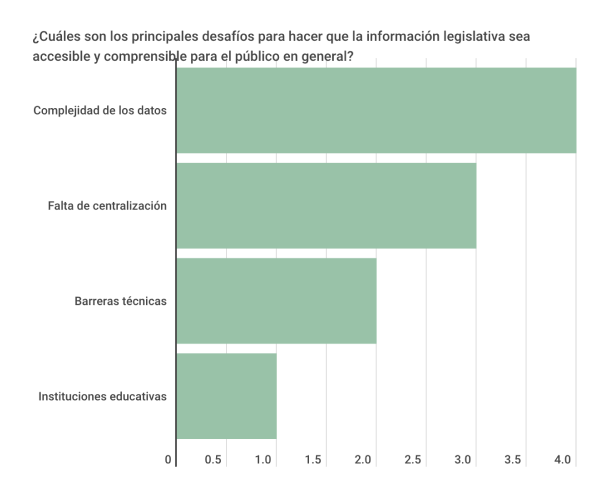
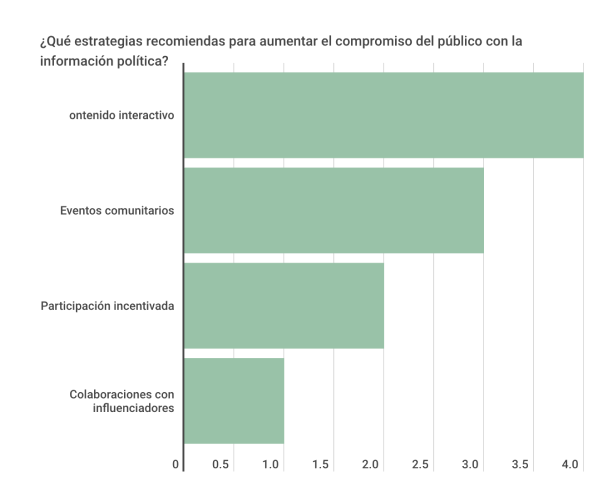
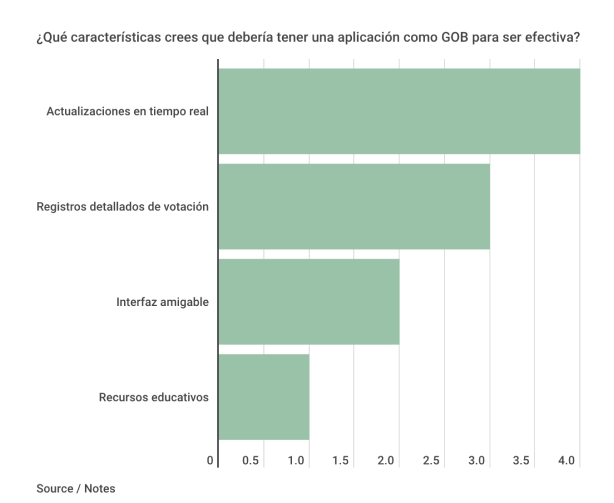
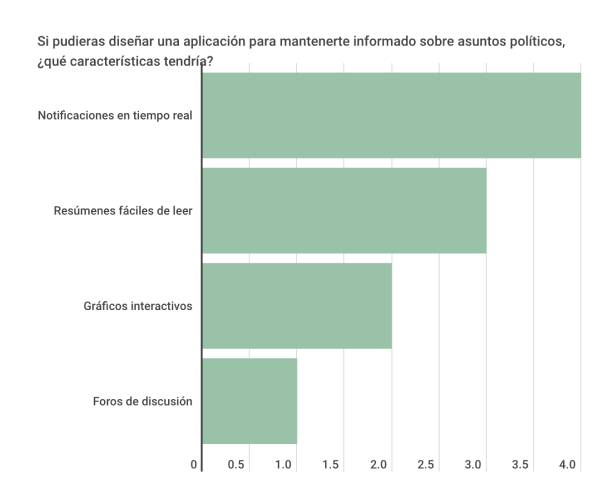
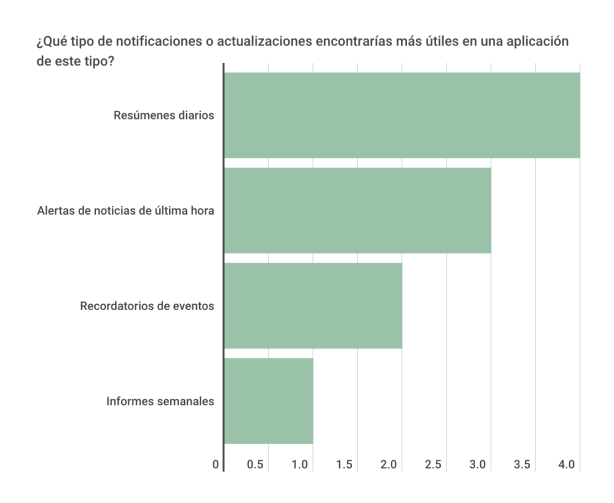
We conducted interviews with citizens to obtain in-depth qualitative responses regarding the key aspects of the prompt.

Nestor Arce
Executive Director and Co-Founder DIVERGENTES
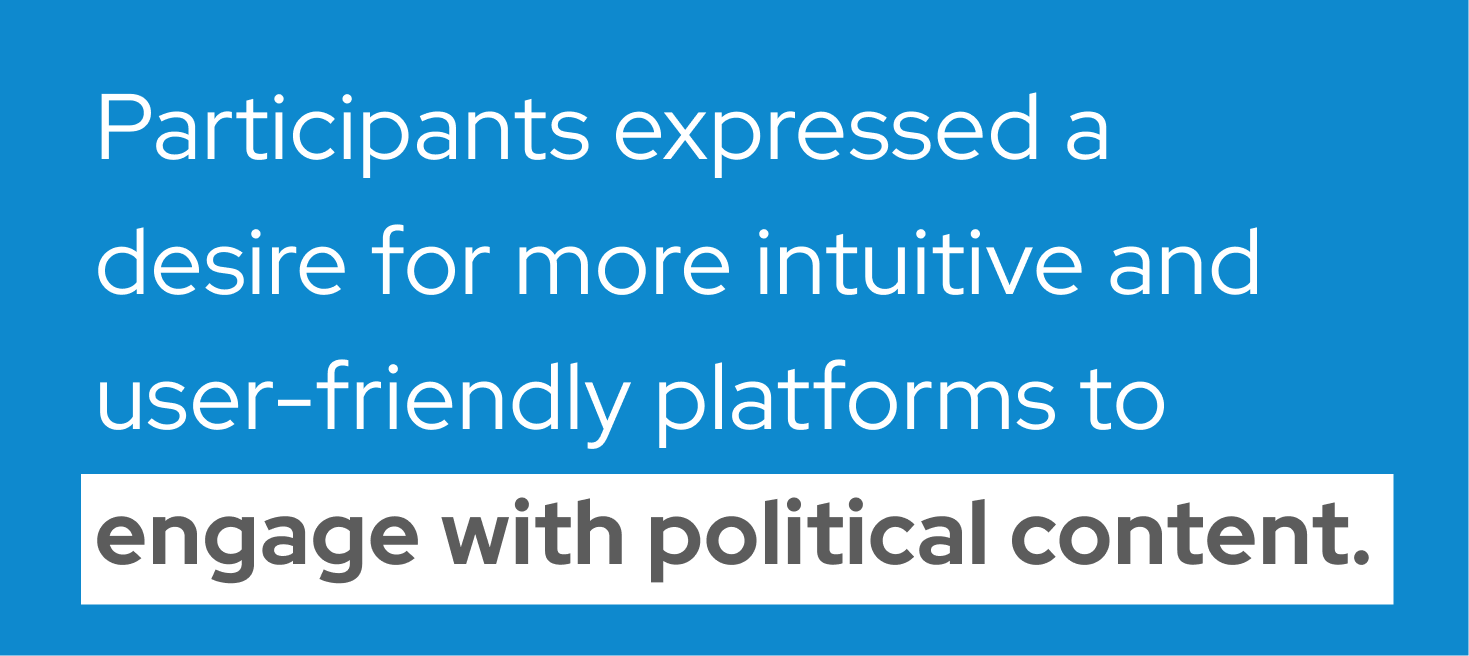
"There is certainly room to create a more efficient tool for accessing government information. Current government websites focus solely on publishing information without considering user experience. An intuitive and user-friendly platform could enhance interaction and strengthen the connection between citizens and the government."

Carlos Herrera
Financial Director and Co-Founder DIVERGENTES
"I use government websites because I already know how they work, and once you get used to them, it becomes easier. However, the searches are not intuitive, and the navigation is not user-friendly; they definitely need to be modernized."
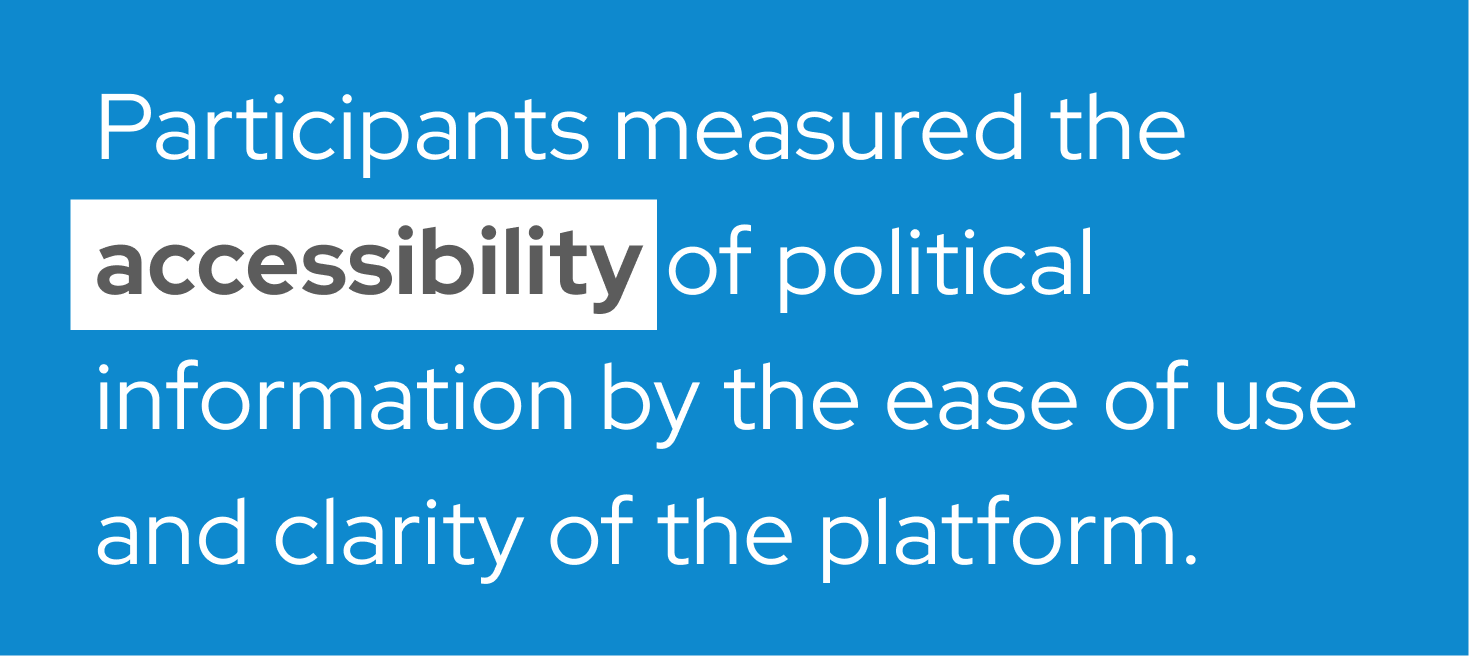
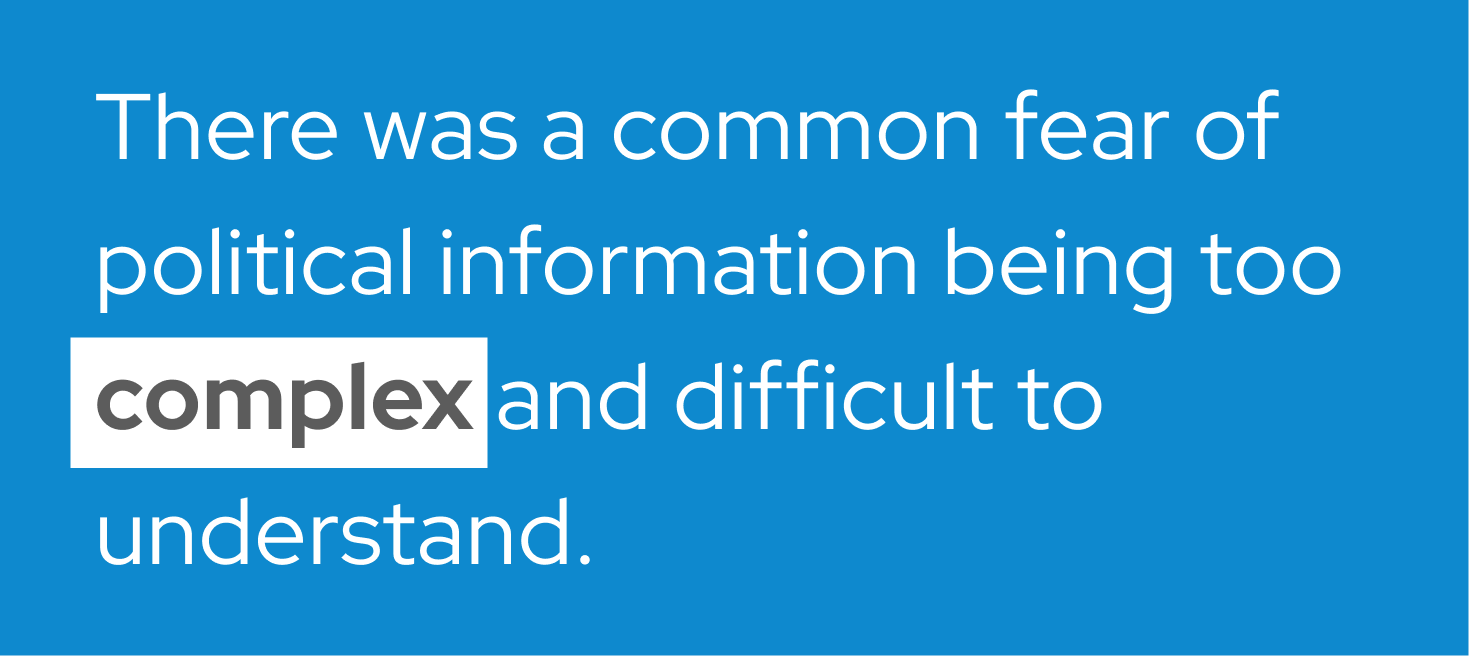
Experts agree that legislative information is complex and not easily accessible due to the lack of centralization and user-centered design in government websites. They recommend developing intuitive and user-friendly platforms with interactive and educational content, as well as implementing real-time updates to promote transparency and citizen engagement. Modernizing these platforms is essential to improve public participation and understanding of political processes.
We analyzed existing apps and platforms that provide political information to identify strengths, weaknesses, and opportunities for innovation.
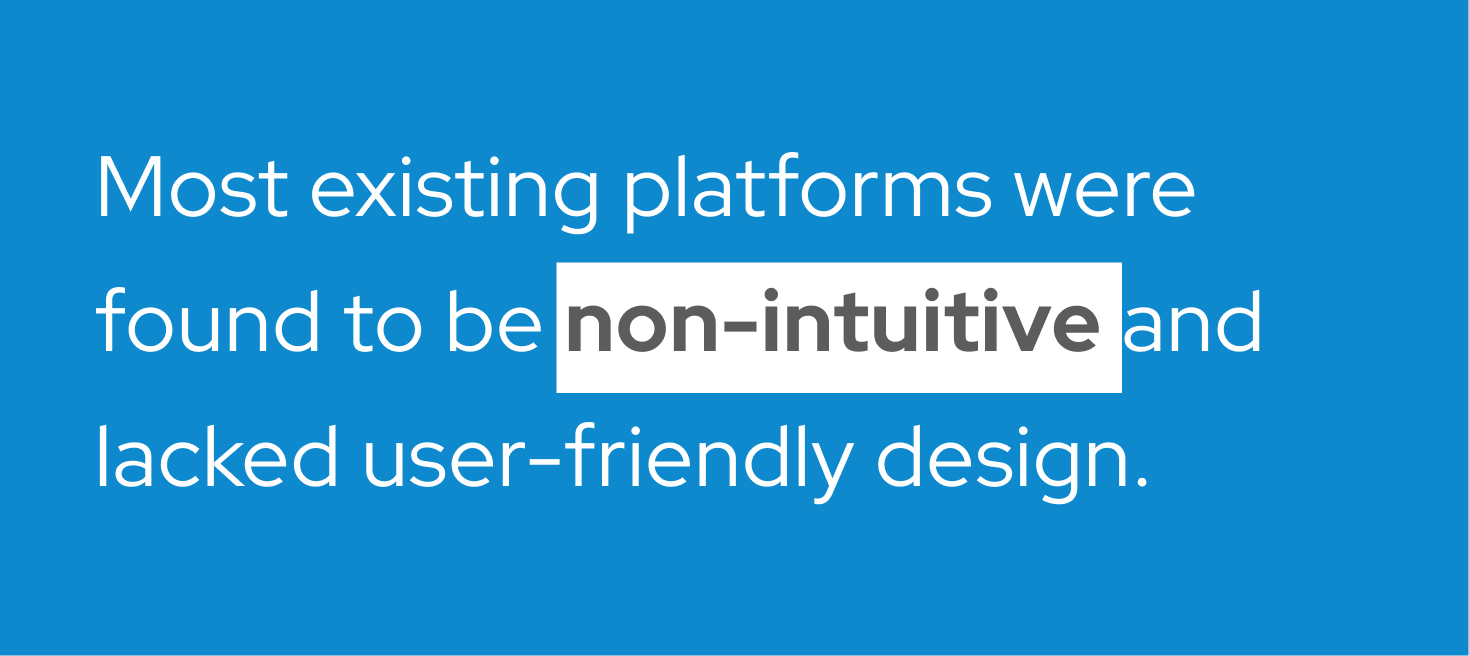
Based on our research, we've discovered that navigating political information can present varying challenges depending on users' preferences and technological literacy. By developing user archetypes, we've pinpointed specific hurdles within each group's interaction with political content and platforms.

Social Media Seekers are highly engaged with political content online, often using various platforms to stay informed. They may face challenges in discerning reliable information amidst the abundance of content, leading to occasional frustration and confusion.

Traditionalists prefer accessing political information through conventional media sources like newspapers and television. They value accuracy and reliability but may find it challenging to navigate complex political narratives or get detailed updates in real-time.

Tech-Savvy Advocates actively seek innovative digital tools and platforms for political engagement. They appreciate real-time updates and interactive features but may encounter usability issues or information overload when accessing legislative or governmental data.

Media/Journalists are professionals who need timely and accurate political information to inform the public. They prioritize credibility and comprehensiveness but often face challenges in accessing user-friendly governmental databases and real-time updates. Their work requires cross-referencing multiple sources to ensure accuracy, making an intuitive platform essential for efficiency and reliability.

Civil Society Organizations (CSOs) are deeply involved in political advocacy and community engagement. They require accessible and transparent political information to support their initiatives and mobilize communities. CSOs often encounter barriers such as complex data presentation and lack of centralized information, which can hinder their ability to effectively advocate for policy changes and educate the public. An intuitive platform with detailed resources and collaborative tools is crucial for their operations.
REDUCE COMPLEXITY
"Simplify complex information to improve accessibility and understanding."
INCREASE TRANSPARENCY
"Enhance transparency in legislative processes to foster greater citizen engagement."
ENHANCE USABILITY
"Create intuitive and user-friendly interfaces to facilitate seamless interaction with political content."
DESIGN FOR INCLUSION
"Ensure accessibility across different devices and user capabilities to reach a broader audience."
FOSTER ENGAGEMENT
"Promote active participation through interactive features and community engagement tools."